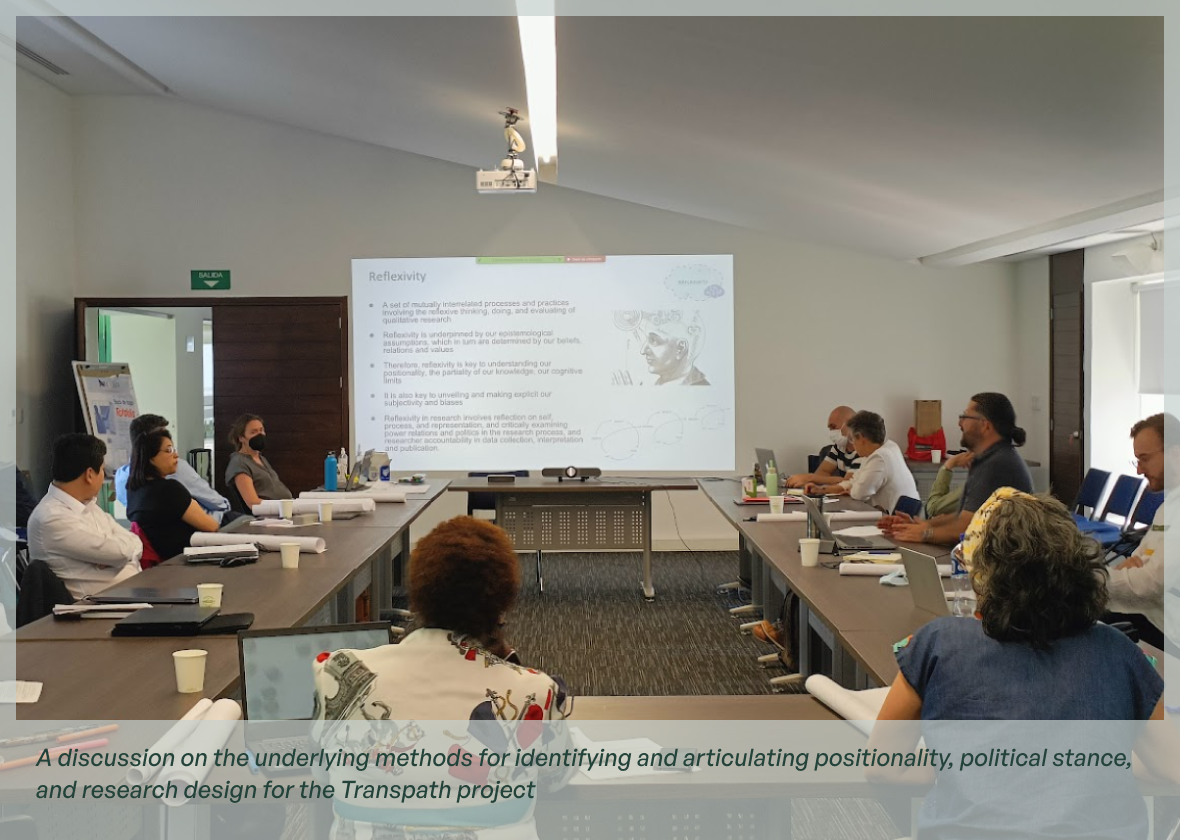
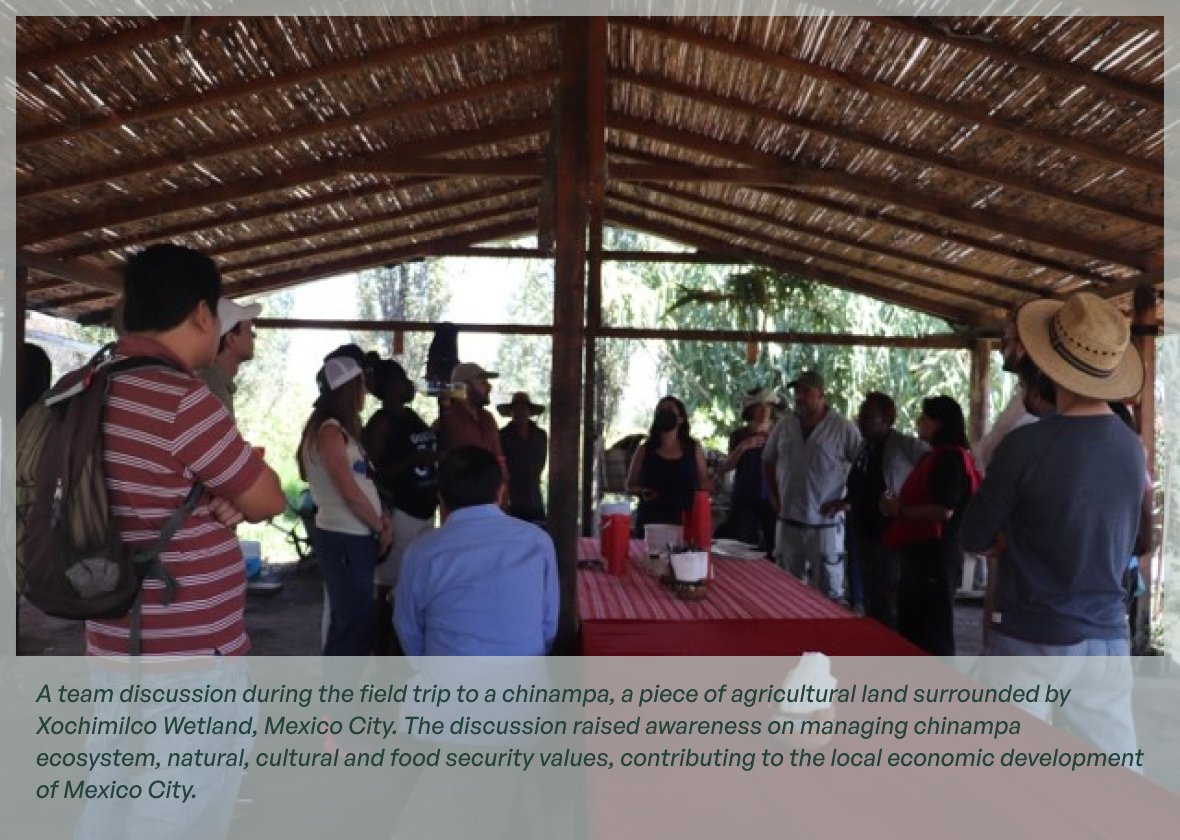
Co-create a space for collective reflection to gain a deeper understanding on the importance of
our work ethos on our research theoretical-methodological approaches and potential to achieve
social-ecological transformations.
A monthly co-learning webinar with shared transdisciplinary learnings across key concepts/skills/methodologies/approaches/frameworks concerning the Trans Path Planning project has been initiated. Each country node makes a presentation on various topics. Young researchers/ PhDs in the projects have been encouraged to use the webinar space for learning and sharing their views and ideas. This learning webinar series gives learning space to young researchers who can receive skill-building and process-oriented feedback with their presentations. So far, we have had seven webinars by different partners on different topics.
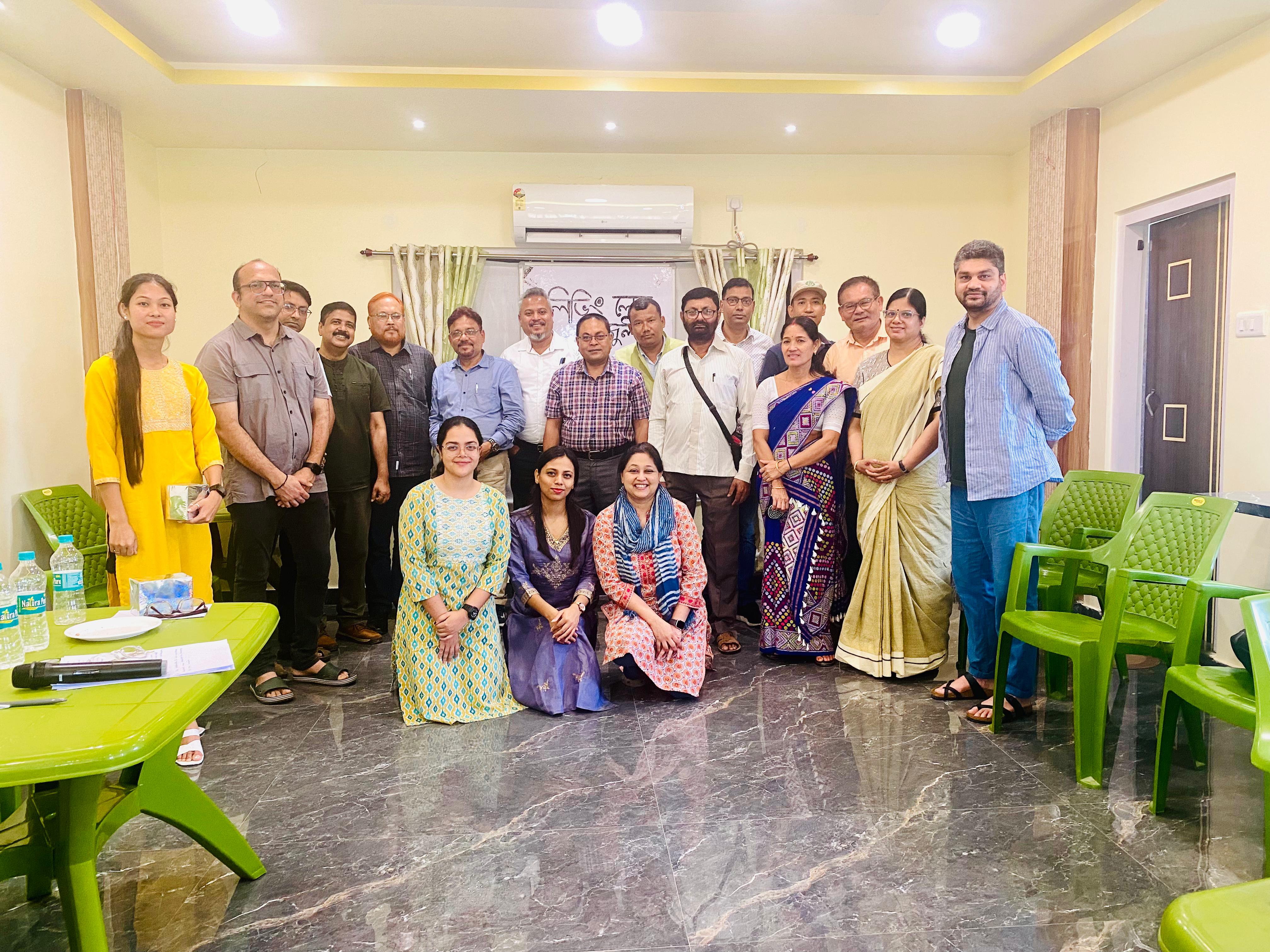
This is a process document of the Living Lab organised by the BRB node in Majuli, Assam, India."Living Lab" for Majuli is conceived as a safe space where local communities and government representatives can come together to openly discuss the opportunities and challenges associated with these transformative developments in Majuli. This initiative envisions paving the way for a collaborative and inclusive approach to shaping development initiatives on the island. The event was the first step towards co-producing policy-relevant knowledge for sustainable livelihoods in Majuli.
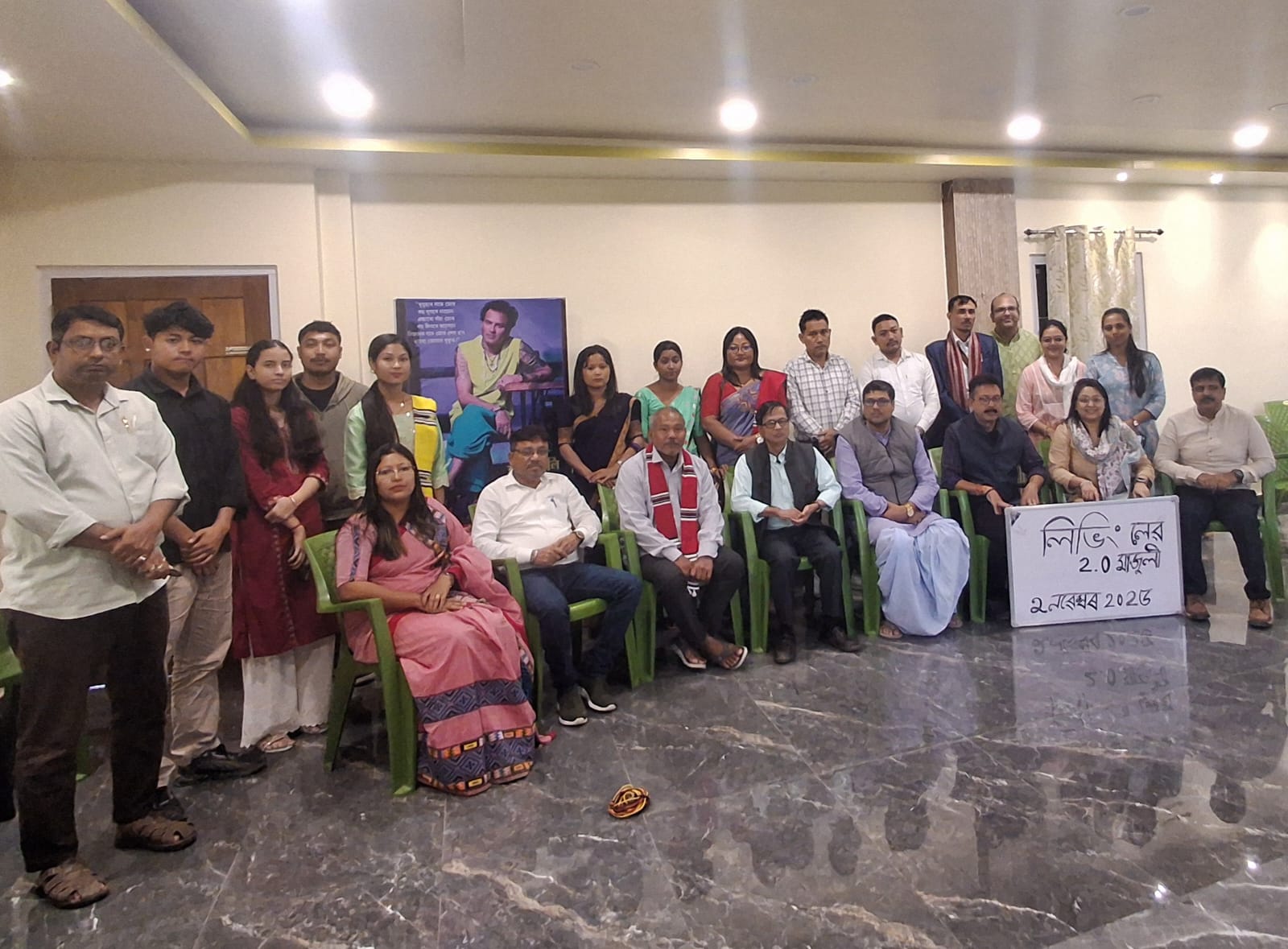
This is a process document of the second Living Lab organised by the BRB node in Majuli, Assam, India."Living Lab" for Majuli is conceived as a safe space where local communities and government representatives can come together to openly discuss the opportunities and challenges associated with these transformative developments in Majuli. The first Living Lab was organised in May, pointing out that the primary reason people support its construction is the poor waterway connectivity to Majuli. The second follow-up Living Lab focused on anticipating the changes the bridge might bring, and collectively discussing whether to accept, adapt to, or oppose such changes and seek the possibility of addressing these concerns through locally led initiatives.
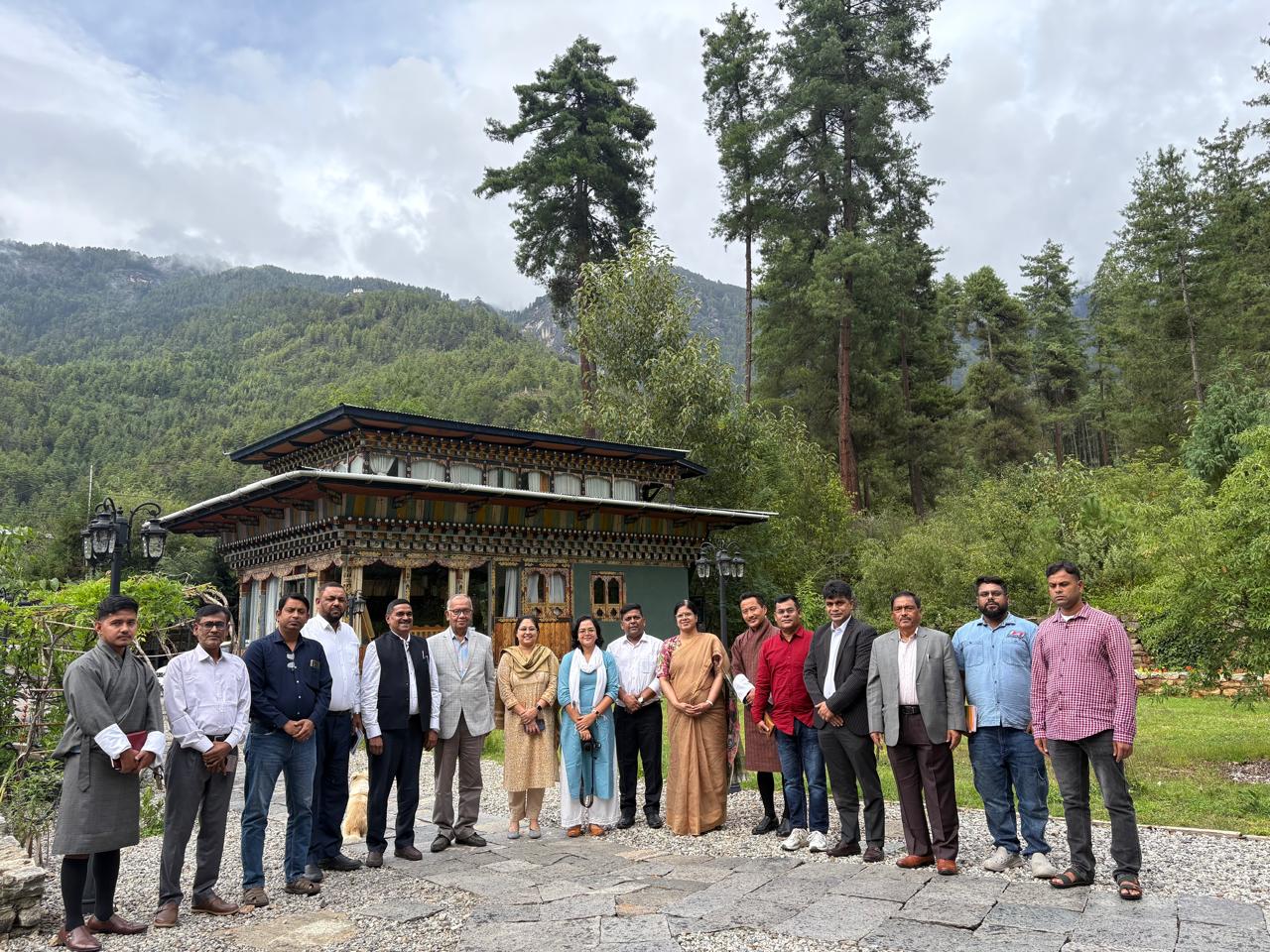
Indian Institute of Technology Guwahati (IITG) and Consumer Unity and Trust Society (CUTS) organised the traders’ meet at Paro, Bhutan, as a multi-stakeholder forum bringing together participants from India, Bangladesh, and Bhutan to discuss the challenges and opportunities in inland waterway trade, with a special focus on the Dhubri–Chilmari route. The objective was to provide a neutral space
where traders, small boat operators, government officials, academics, NGOs, and industry experts could openly share experiences, highlight operational difficulties, and propose practical recommendations. The meeting underscored the importance of inland waterways as a sustainable and cost-effective trade route, while also acknowledging the structural and institutional issues that hinder their full potential.

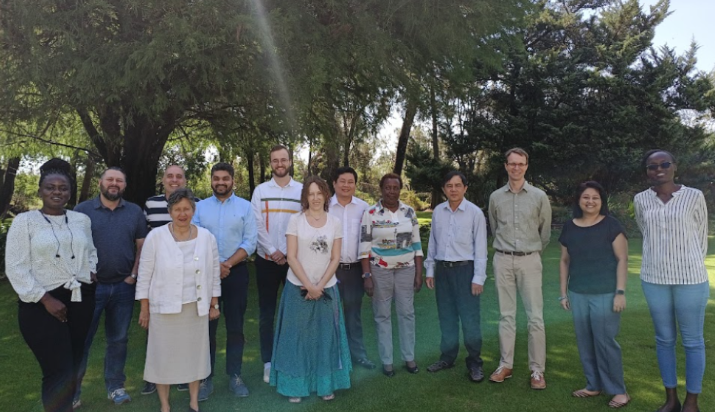
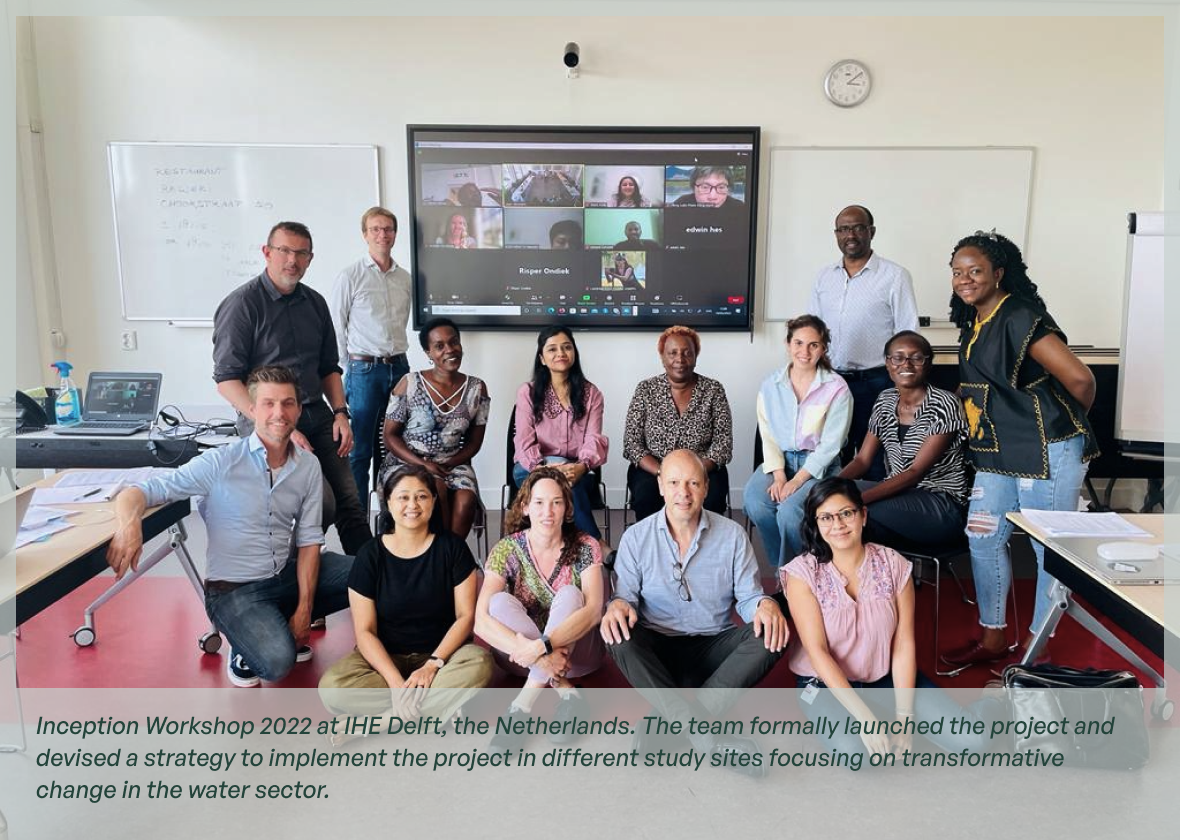
During the Inception phase team was working on the feedback and building the project. The meeting was successful as it helped to further set up the team and plan the project activities in more depth. It was a hybrid-mode meeting held in IHE Delft in May 2022.


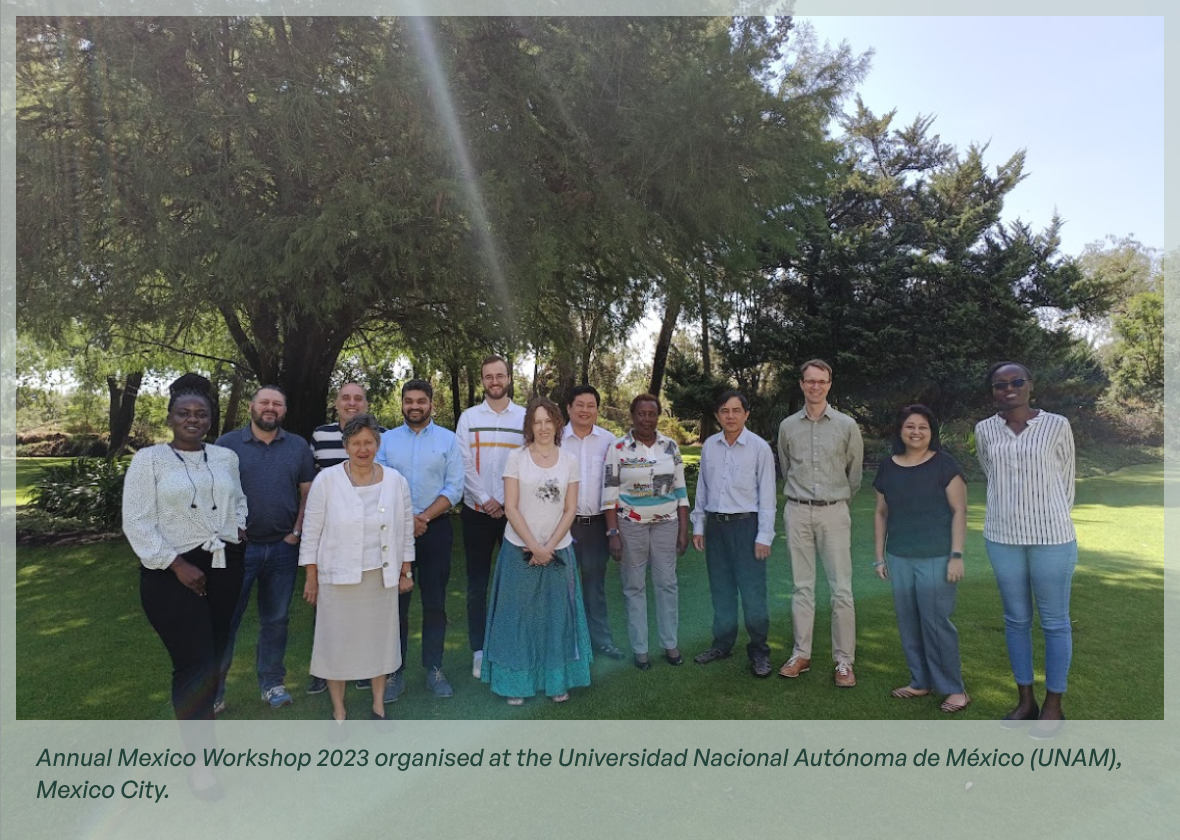
In this workshop, we aim to collectively reflect on the profound implications of our work ethos on theoretical-methodological approaches and their potential to drive social-ecological transformations. By creating a space for shared exploration, we aspire to deepen our understanding and foster collaborative growth.

Co-create a space for collective reflection to gain a deeper understanding on the importance of
our work ethos on our research theoretical-methodological approaches and potential to achieve
social-ecological transformations
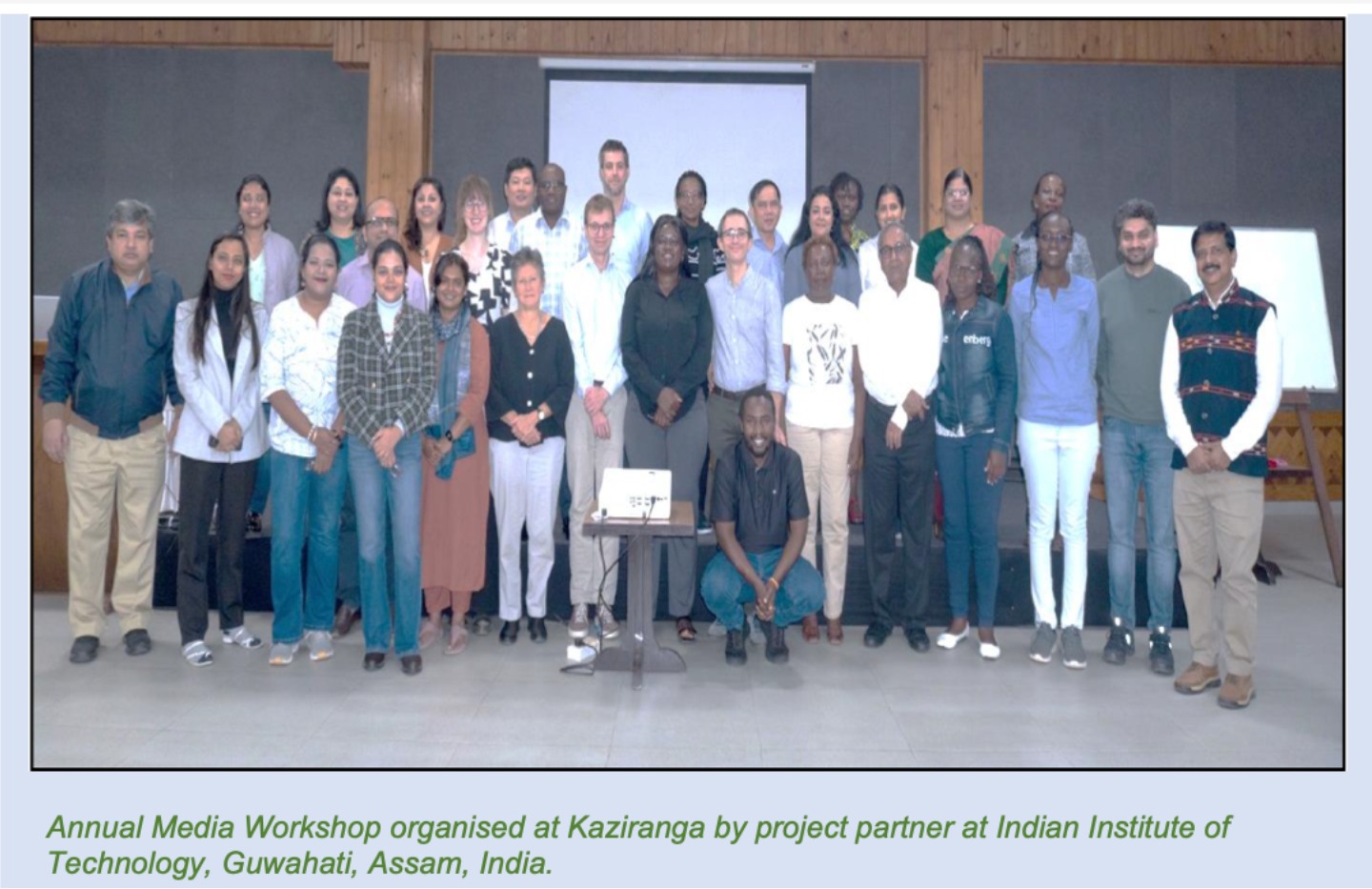
Understanding the theoretical and methodological approaches towards a transformative change through various media methods, such as Podcasting, Blog-Writing, Video-Making and many more